Poly Lifting vs traditional methods: speed, strength, and longevity
Concrete Leveling Made Easy: Professional Tips for a Smooth and Durable Surface
Concrete leveling is a vital task for maintaining both safety and aesthetics in any type of residential or commercial property (Poly Lifting Iowa). Numerous variables can cause uneven surfaces, which may call for various methods for adjustment. Understanding these approaches is vital, whether one opts for self-leveling compounds or advanced techniques like mudjacking. As the process unfolds, it becomes clear that aggressive steps can significantly affect the long life of concrete surfaces. Checking out these methods will reveal the most reliable options
Understanding the Causes of Uneven Concrete
Unequal concrete surfaces can usually be mapped back to several underlying causes. One common aspect is dirt settlement, which happens as the ground below the concrete changes or presses with time. This can arise from incorrect compaction during the first setup or adjustments in wetness degrees. An additional adding factor is tree origins, which can grow underneath concrete pieces, pressing them upward and creating disproportion. In addition, freeze-thaw cycles can result in heaving, as water infiltrates fractures and broadens when iced up (Concrete Leveling). Poor water drainage can aggravate these problems, enabling water to swimming pool and wear down the soil under the surface area. Comprehending these elements is vital for home owners looking for to correct the unevenness and address in their concrete frameworks properly
Examining the Damages: When to Level Your Concrete
Assessing the damages to concrete surfaces is important for keeping safety (Concrete Leveling Des Moines). Signs of irregular surfaces, such as fractures or tripping dangers, indicate the demand for immediate focus. Neglecting these concerns can cause enhanced safety and security risks and additional deterioration of the concrete
Indications of Uneven Surfaces
A noticeable change in the surface area of concrete can bring about numerous problems, making it important to acknowledge the signs that suggest a need for leveling. One usual indicator is the visibility of fractures, which might appear as little cracks or bigger gaps. In addition, uneven surface areas typically bring about merging water, producing a threat during rain or snow. Home owners might additionally notice a noticeable slope or dip in the concrete, influencing aesthetics and functionality. When walking on the surface; hollow or echoing sounds can represent gaps under, one more indicator is the audio generated. Normal examination for these indications can help stop even more degeneration, making sure a secure and secure concrete surface for several years to come.
Effect On Safety And Security Issues
Concrete surface areas that show signs of damages can present considerable safety dangers to people and residential or commercial property. Fractures, unevenness, and settling can cause stumbling hazards, impacting pedestrian safety and security and boosting the probability of accidents. Furthermore, jeopardized surfaces may create more structural damages, which can escalate repair work costs and affect home worth. Determining when to level concrete is vital; home owners should keep an eye on for visible damage, such as visible inclines or large splits. Prompt treatments and routine evaluations can mitigate dangers, ensuring a safe environment for both homeowners and visitors. Proactively attending to these issues not just boosts safety yet also prolongs the life of the concrete, supplying a sturdy and smooth surface for different applications.
Tools and Materials Needed for Concrete Leveling
When planning for concrete leveling, comprehending the important devices and materials is crucial. An extensive list of necessary items guarantees that the process runs smoothly and effectively. This section will describe the key devices and materials required for effective concrete leveling.
Crucial Devices Introduction
Successful concrete leveling calls for a variety of essential tools and materials that assure precision and effectiveness. Secret devices include a concrete float, which smooths the surface area; a screed board, used to level the concrete; and a trowel for finishing sides. A level is essential for guaranteeing an also surface area, while a concrete mixer is essential for preparing the mix. In addition, a wheelbarrow help in delivering materials, and security equipment, like handwear covers and safety glasses, secures the employee throughout the process. For larger projects, a concrete pump might be needed to deliver the mix successfully. Having these devices handy permits for a structured leveling process, making certain a smooth and sturdy surface that fulfills job needs.
Needed Materials Checklist
An extensive products list is important for any individual undertaking a concrete leveling job. Trick things consist of leveling compound, which fills out reduced spots, and site here a mixing bucket for prep work. Concrete Leveling. A trowel is required for smooth application, while a float helps attain an also coating. In addition, a straight side or degree is necessary to assure precision during the leveling process. For safety, gloves and safety goggles must be consisted of. A concrete mixer might be valuable for bigger projects, while a broom serves for surface preparation. Finally, a damp cloth aids in cleaning devices post-project. Collecting these materials beforehand will certainly streamline the leveling process and contribute to a successful result
Step-by-Step Guide to Leveling Your Concrete
Concrete leveling requires a methodical method to assure a smooth, even surface. The location must be completely cleaned up, eliminating all particles and loosened material. Next, inspect the concrete for fractures or damage and repair them accordingly. Once the surface area is prepped, note the areas requiring leveling, utilizing a chalk line for accuracy. Mix the picked leveling compound according to the manufacturer's directions, making sure proper uniformity. Pour the substance onto the low places, spreading it uniformly with a trowel. Allow the compound to resolve and cure as directed, staying clear of foot web traffic throughout this period. Ultimately, inspect the surface for consistency using a degree tool, making any type of necessary adjustments prior to securing the concrete to safeguard it from future wear.
Choosing the Right Leveling Technique: Mudjacking vs. Polyurethane
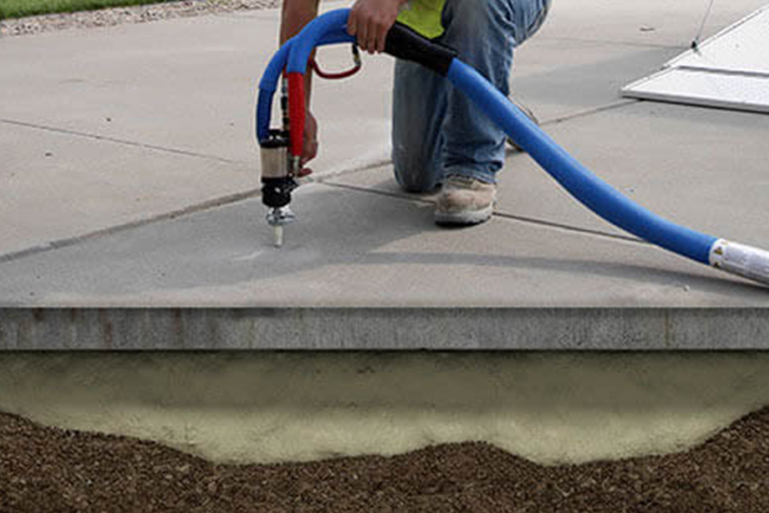
Selecting the proper leveling method is crucial to achieving resilient results. Two typical techniques are mudjacking and polyurethane foam injection. Mudjacking includes pumping a cement-based combination under the concrete slab to lift it back to its original position. This technique is appropriate and usually economical for larger projects however can be larger and a lot more time-consuming. On the other hand, polyurethane foam shot uses light-weight foam to maintain the concrete and lift. This technique uses faster curing times and very little disturbance yet might come at a higher cost. Ultimately, the choice between mudjacking and polyurethane depends upon details task requirements, consisting of spending plan, dirt problems, and the size of the location requiring leveling, ensuring effective and durable solutions for irregular surface areas.

Preventative Procedures to Avoid Future Unequal Surface Areas
Many home owners forget preventative procedures that can help preserve a level surface area gradually. Routinely checking the concrete for cracks and crevices is important, as very early detection can protect against much more significant issues. Making certain appropriate water drainage around the home is additionally crucial; water merging near concrete can result in disintegration and settling. House owners must consider making use of landscaping strategies, such as sloping dirt away from concrete surfaces, to better reduce water-related damage. Furthermore, applying a high-quality sealer can shield versus moisture penetration and freeze-thaw cycles. Preventing too much weight on concrete surface areas, especially during construction or restoration, can stop premature settling. By carrying out these procedures, homeowners can greatly reduce the risk of future uneven surfaces.
Maintaining Your Concrete for Longevity and Toughness
Regular upkeep plays a vital duty in ensuring the durability and toughness of concrete surfaces. To achieve this, regular cleaning is crucial; particles, dust, and spots ought to be removed immediately to avoid deterioration. In addition, sealing the concrete every couple of years produces a protective obstacle against wetness and harmful chemicals. Evaluating for cracks or damage is vital, as prompt repair services can avoid more degeneration. Applying a resurfacer can likewise restore the look and functionality of used surface areas. Furthermore, managing water drain and preventing hefty tons can significantly reduce stress and anxiety on the concrete. By complying with these upkeep practices, homeowner can expand the life of their concrete surfaces, guaranteeing they continue to be both functional and aesthetically appealing for several years ahead.
Often Asked Inquiries
For How Long Does Concrete Leveling Commonly Require To Complete?
Concrete leveling usually takes in between one to three hours for smaller areas, while larger projects may need numerous days. Factors affecting period include the size of the area, technique used, and weather conditions.
Can I Level Concrete Myself, or Should I Employ an Expert?
One can level concrete themselves if they have the needed skills and tools; however, employing an expert is a good idea for complicated jobs or those lacking experience, making sure a greater high quality and even more long lasting coating.
What Climate Condition Are Ideal for Concrete Leveling?
Ideal climate condition for concrete leveling consist of light temperatures in between 50 ° F and 85 ° F, with reduced humidity and very little wind. These variables aid ensure appropriate treating and adherence, lowering the threat of disparities and fractures.
Is It Safe to Stroll on Leveled Concrete Right Away After Application?
Walking on leveled concrete instantly after application is normally not risk-free. Concrete Leveling. It calls for time to heal effectively, and early foot web traffic can harm the surface, causing flaws and a minimized lifespan of the leveling product
Just How Much Does Concrete Leveling Generally Expense?
Concrete leveling generally sets you back between $3 to $25 per square foot, depending on aspects like the extent of leveling called for, the approach utilized, and regional prices variations. Homeowners need to acquire multiple quotes for precise estimates.
Assessing the damages to concrete surfaces is necessary for maintaining security. A noticeable change in the surface area of concrete can lead to various issues, making it vital to recognize the indications that show a demand for leveling. Secret devices consist of a concrete float, which smooths the surface; a screed board, made use of to level the concrete; and a trowel for finishing edges. A degree is essential for making sure an also surface, while a concrete mixer is needed for preparing the mix. Concrete leveling calls for a methodical strategy to assure a smooth, even surface.